
Can poor Posture Cause Back Pain?
Can Poor Posture Cause Back Pain?
Poor posture can contribute to back pain by placing extra, sustained strain on the muscles and other tissues that support your spine. But posture is rarely the only cause. How long you remain in one position, how active you are, and your overall strength and health also matter.
What happens when your posture is poorly supported?
Your spine has natural curves that help distribute your body weight. When you slouch, lean forward, or sit without adequate support, some muscles must work harder to hold you upright.
Over time, this can lead to:
- Muscle fatigue and tension
- Strained muscles or ligaments
- Stiffness from staying in one position
- Reduced movement and flexibility
- Greater sensitivity in already irritated tissues
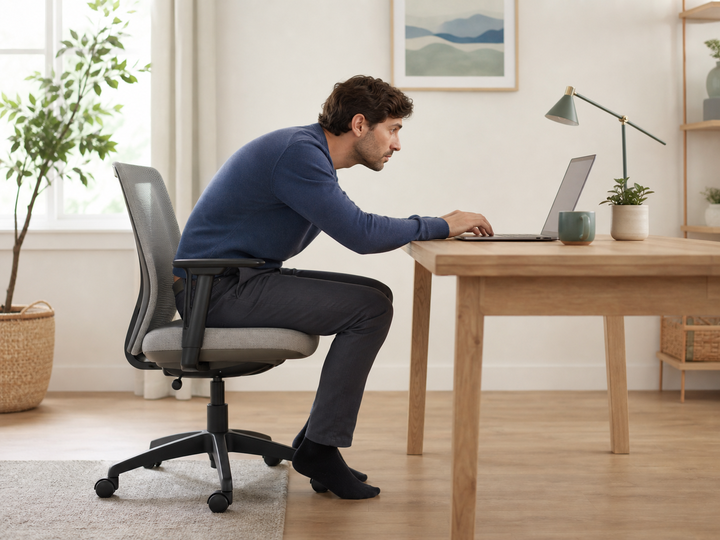
For example, leaning toward a laptop for several hours can overload the muscles around the neck, shoulders, and upper back. Slouching in a chair may increase strain around the lower back. Poor posture and repeated strain are recognized contributors to muscle-related back pain, although back pain can have many other causes.
Is there one “perfect” posture?
Not really. Bodies vary, and no single position is ideal for everyone. Even an upright posture can become uncomfortable if you hold it rigidly for too long.
The most helpful posture is usually one that feels supported, allows you to breathe and move comfortably, and changes regularly. Movement is often more important than trying to sit perfectly throughout the day.
Why prolonged sitting can hurt
Sitting itself is not necessarily harmful. The trouble often begins when sitting is combined with limited movement, inadequate back support, and a workstation that encourages reaching or leaning.
Remaining still can tire the muscles supporting the spine. It may also make the hips and back feel stiff. Once discomfort begins, people sometimes tense their muscles or avoid movement, which can make the pain feel worse.
How to reduce posture-related back pain
Small, repeatable changes usually help more than forcing yourself into a rigid position:
- Change position at least every 30 minutes.
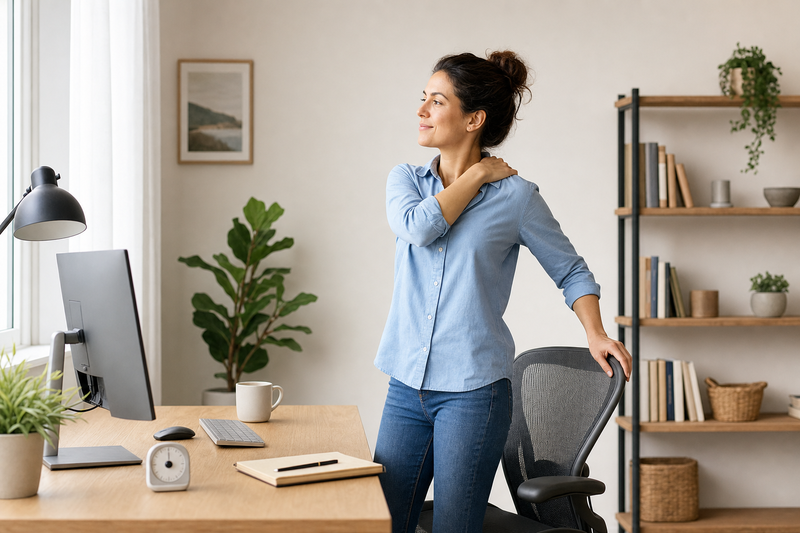
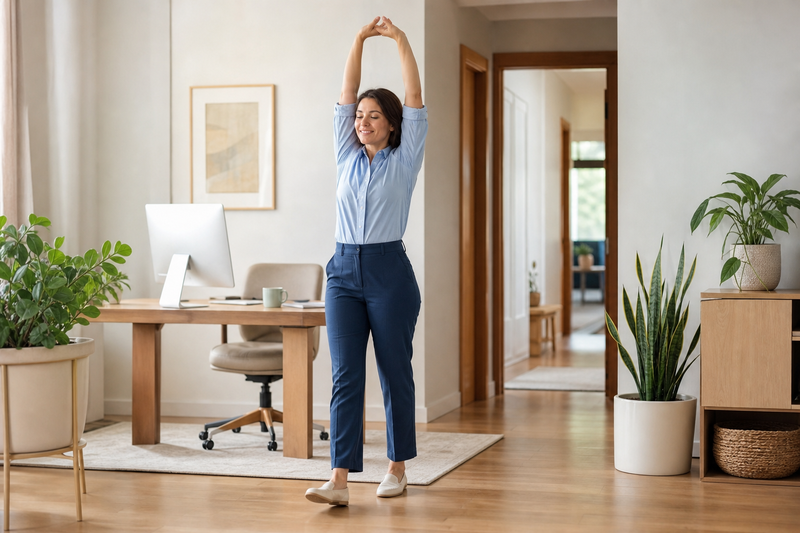
- Stand, stretch, or walk briefly throughout the day.
- Keep frequently used objects within comfortable reach.
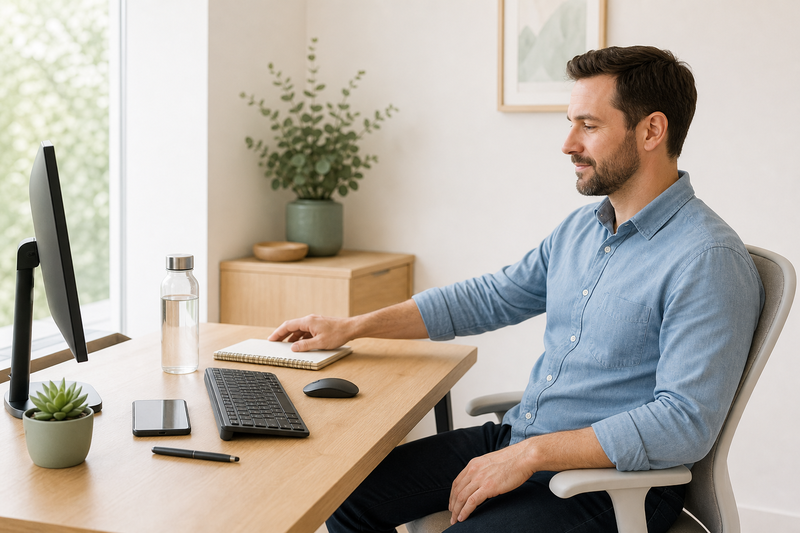
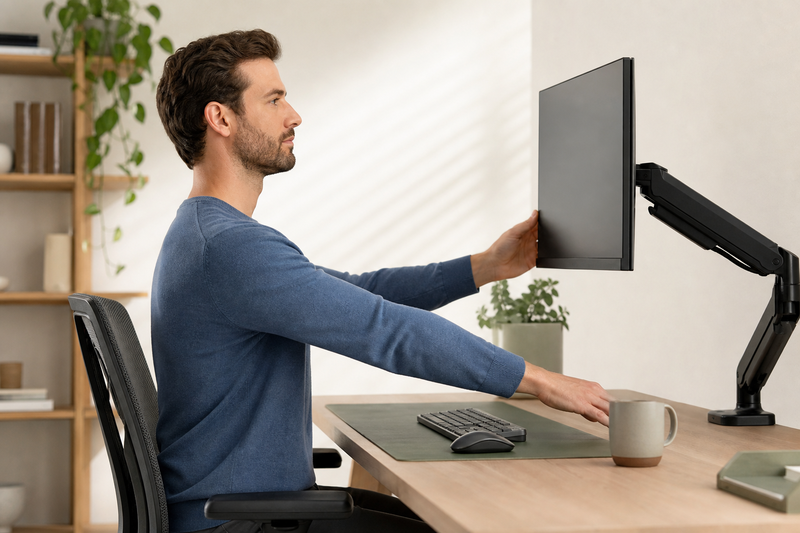
- Adjust your screen so you do not continually bend your neck.
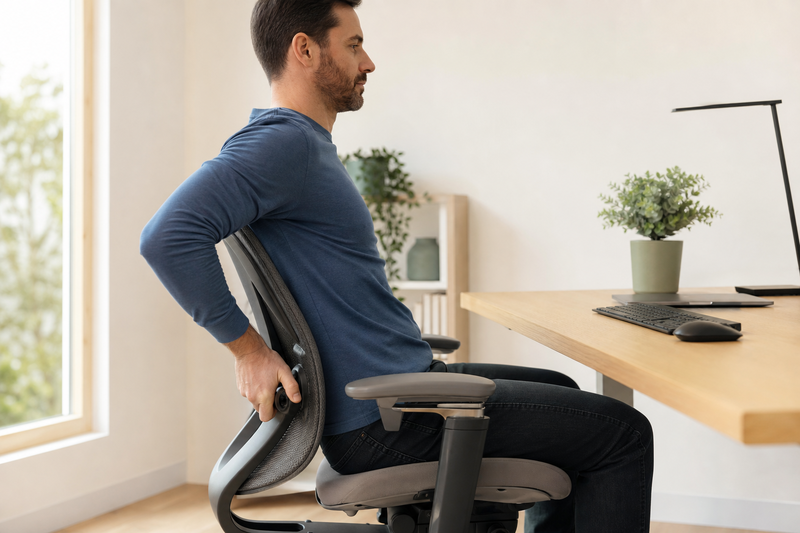
- Use a chair that supports your lower back.
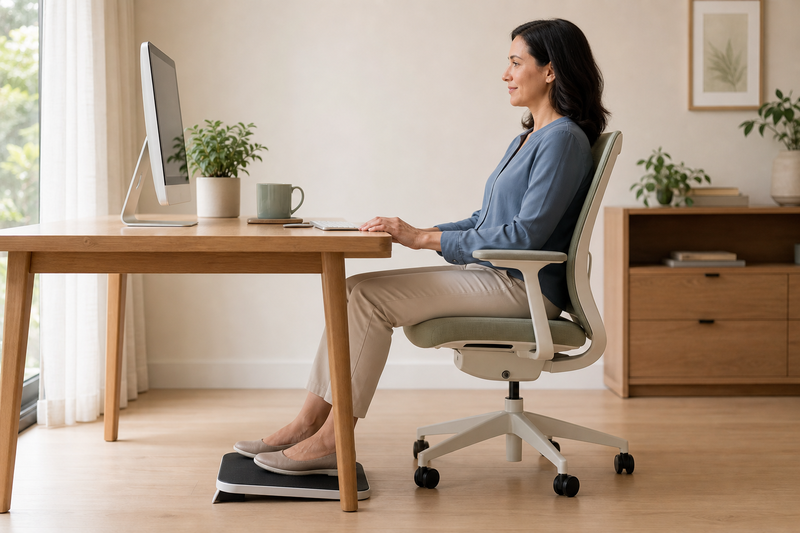
- Keep your feet supported and your shoulders relaxed.
- Build strength gradually through regular physical activity.
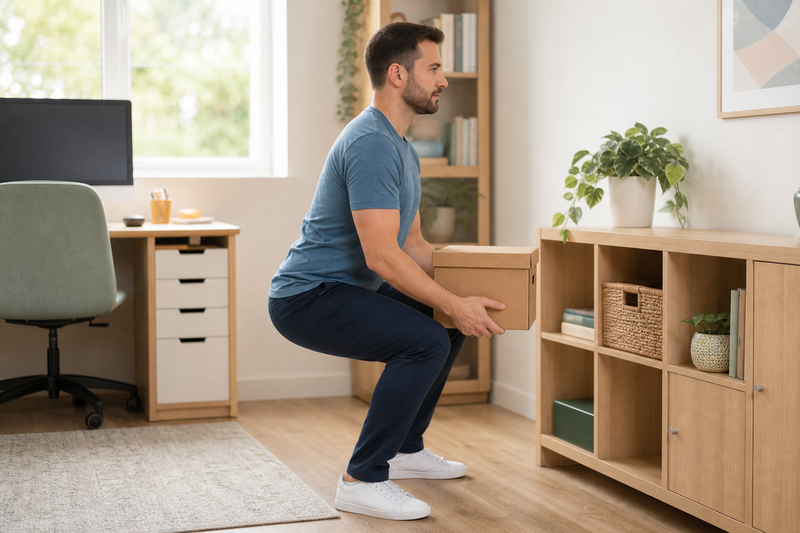
- When lifting, keep the load close and avoid twisting.
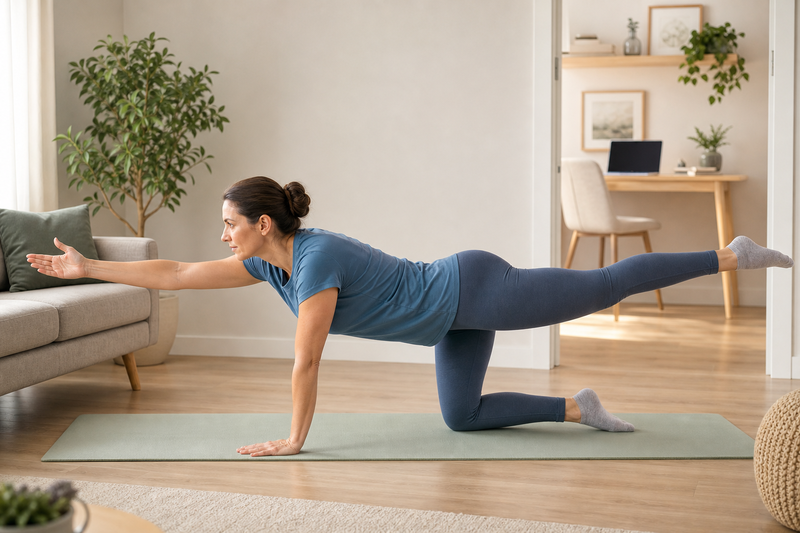
Walking, swimming, cycling, and exercises that strengthen the abdominal and back muscles may help your body support the spine more comfortably.
Remember: posture may not be the whole story
Back pain can also result from an injury, reduced physical conditioning, arthritis, nerve irritation, stress-related muscle tension, or an underlying health condition. Sometimes there is no single identifiable cause.
Speak with a healthcare professional if your pain is severe, persists for more than a few weeks, or interferes with daily life. Seek prompt medical care if it follows a significant injury or is accompanied by fever, unexplained weight loss, leg weakness or numbness, or new bowel or bladder problems.
Ultimately, good posture is less about sitting perfectly straight and more about staying supported, strong, and regularly in motion.