
Some back and neck problems resolve with a few adjustments. Many don't, because the pain is a symptom of something an adjustment alone can't fix: spinal muscles that have grown weak, a disc under pressure, or a joint problem that gets aggravated again every week at work or in the gym.
At The Center for Total Back Care, we practice chiropractic care with testing before treatment, not a quick visit that ends with an adjustment and little else. Dr. B. Jeffrey Jolley, D.C., D.A.C.N.B. has treated neck and back pain in Mesa since 1983. The sequence is simple: examine first, measure what your spine can actually do, then treat with adjustments plus rehab, and non-surgical decompression when a disc is involved.
What chiropractic care means here
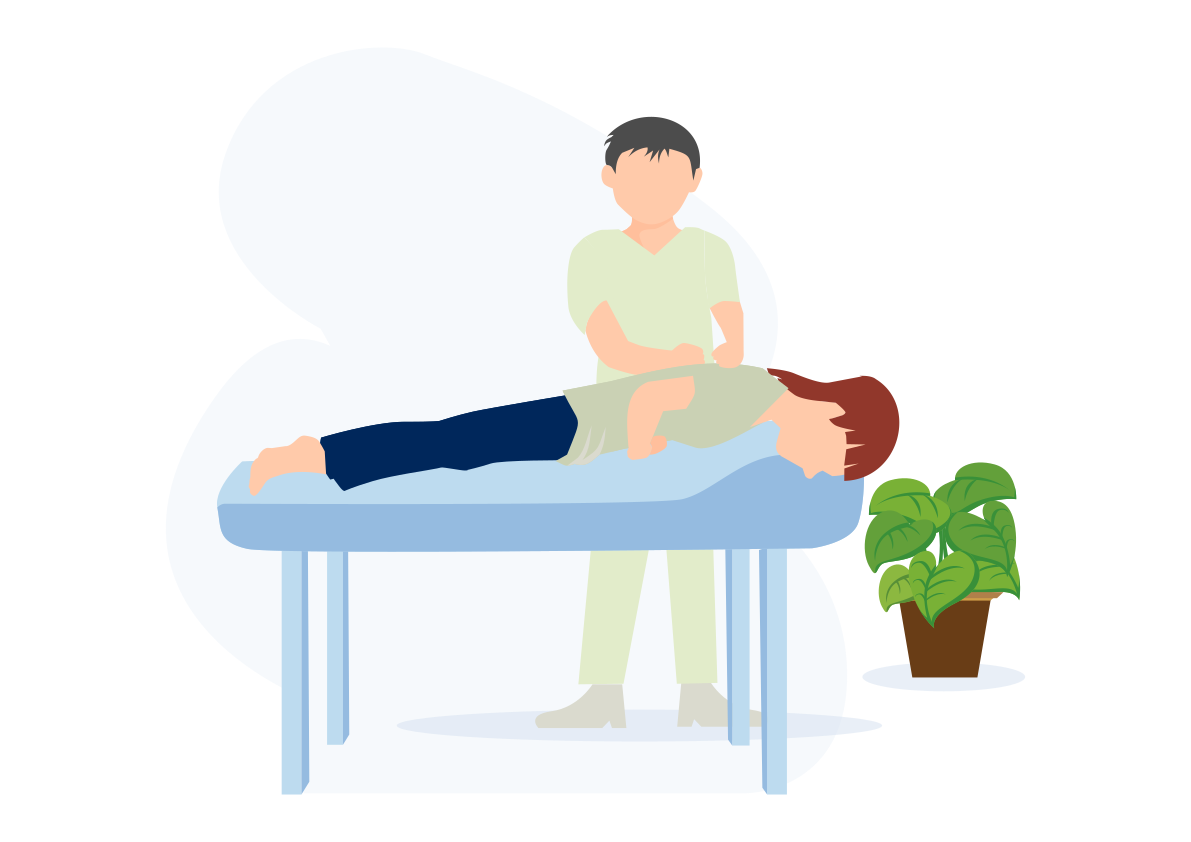
Adjustments are the foundation of nearly every care plan we write, and often the first thing that gives patients real relief. Done well, they restore motion to joints that have stiffened or locked, ease muscle guarding, and reduce pain enough to make the rest of the plan possible.
Adjustments alone do not make anything stronger. A joint that moves better but is still supported by weak, easily fatigued muscle tends to start hurting again, so we build rehab and testing around the adjustments rather than stopping there.
We take a history and do a physical exam first. Nobody gets adjusted by default.
Our target is bending, lifting, sitting, and sleeping without guarding, not just leaving the office feeling looser.
When the exam suggests weakness or poor muscular endurance is driving the problem, we measure it with MedX spinal strength testing instead of guessing.
We check progress against the plan. If you are not improving on schedule, we change the plan instead of repeating it.
Chiropractic care in Mesa at our clinic treats mechanical problems in joints, muscles, discs, and the nerves they irritate. It is not a treatment for fractures, infections, or other conditions that belong in a medical setting, and part of our first exam is making sure nothing like that is going on.
What to expect on your first visit
Your first step is a free exam and consultation. You sit down with the doctor, describe what's going on, and find out whether we're the right fit before committing to anything.
From there, the first visit follows a consistent path. We start with your history, when the pain started, what makes it better or worse, past injuries and treatment, anything that raises a flag. Then an exam covering posture, range of motion, and a hands on look at the painful area. We only order X rays or an MRI when the exam points to something imaging would help clarify, and we refer you out for it when needed. Last comes a report of findings, what we found, what we recommend, and roughly how many visits to expect.
Most patients who are a fit for care begin treatment at that same first visit.
When MedX, VAX-D, or physiotherapy enter the plan
Three findings tell us a plan needs more than adjustments alone.
The muscles that support the lower back and neck quietly lose strength with age, injury, and desk work. Our MedX equipment isolates and rebuilds them, and retesting shows whether the change is real.
Herniated, bulging, and degenerative discs often need pressure taken off the disc itself, which is what VAX-D non-surgical spinal decompression is for.
Muscle and tendon pain, stiffness after an injury, and movement retraining are handled through physiotherapy alongside the chiropractic side of the plan.
None of this is automatic. Your exam and how you respond in the first weeks of care decide what your plan actually includes.
Who this care is (and isn't) for
Our chiropractic care fits people dealing with lower back pain, whether new, chronic, or the kind that flares a few times a year; neck pain and headaches that start in the neck; disc symptoms like pain radiating into a leg or arm, numbness, or tingling; auto accident and sports injuries; and stiffness or lost mobility that keeps interfering with work, sleep, or exercise.
It is not a substitute for emergency care. Loss of bladder or bowel control, sudden severe weakness in a limb, fever with spine pain, or pain after major trauma belong in an emergency room first. And if the exam turns up something we do not treat, we will tell you directly and point you to the right kind of provider.
East Valley patients, one Mesa clinic
We're a single clinic in Mesa, but a good number of our patients travel in from Chandler, Gilbert, Tempe, and other East Valley cities for this kind of testing and rehab based care, since it isn't always available closer to home. See hours and directions for the visit.
Ready to find out what's driving your pain?
Call (480) 633-8293 or book a free exam and consultation to get started. Se Habla Español.