
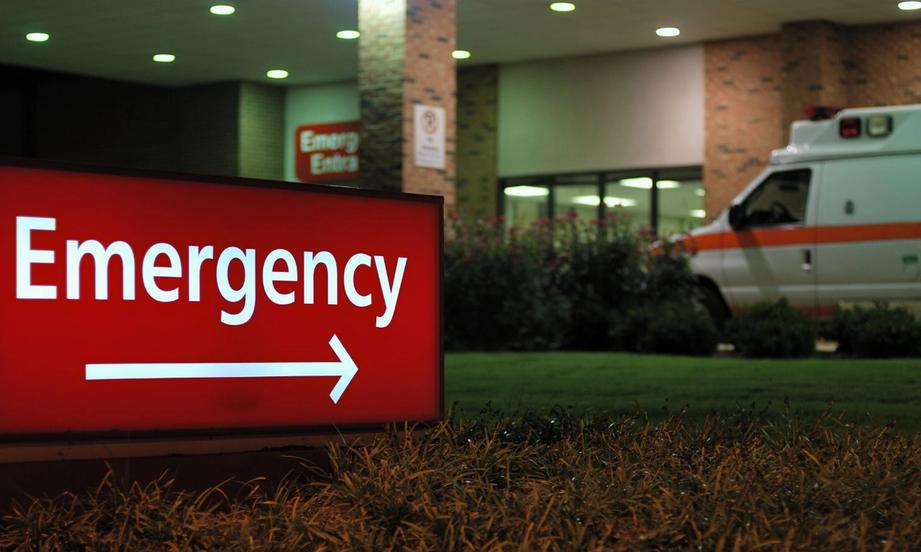
How to Know if Your Back Pain Is an Emergency
Back pain is common. In fact, most adults in the East Valley will experience it at some point. The majority of cases are mechanical, meaning they involve muscles, joints, discs, or stabilizing structures of the spine.
But occasionally, back pain is a warning sign of something more serious.
After more than 40 years treating acute and chronic spine conditions, one of the most important things I teach patients is this:
Most back pain is not dangerous. But certain symptoms should never be ignored.
Here is how to tell the difference.
The Good News: Most Back Pain Is Not an Emergency
Typical mechanical back pain often includes:
- Achy or tight muscles
- Pain that changes with movement
- Stiffness after sitting
- Pain that improves with walking
- Localized soreness
These issues are uncomfortable but rarely dangerous. They respond well to proper evaluation, stabilization, and targeted rehabilitation.
Red Flag #1: Loss of Bowel or Bladder Control
If you experience:
- Sudden difficulty controlling bowel or bladder function
- Numbness in the groin or saddle area
- Severe weakness in both legs
This could indicate cauda equina syndrome, a rare but serious neurological condition requiring immediate medical attention.
Do not wait. Seek emergency care.
Red Flag #2: Progressive Leg Weakness
Back pain accompanied by worsening weakness in the leg or foot is different from simple sciatica.
Watch for:
- Foot drop
- Difficulty lifting the front of the foot
- Increasing weakness over hours or days
Nerve compression that is progressing rapidly needs urgent evaluation.
Red Flag #3: Severe Trauma
If back pain follows:
- A fall from height
- A car accident
- Direct impact injury
- Sudden high-force movement
Especially in adults over 60, fractures must be ruled out.
Red Flag #4: Fever with Back Pain
Back pain combined with:
- Fever
- Chills
- Unexplained weight loss
- History of cancer
May indicate infection or a systemic issue. These require medical workup.
Red Flag #5: Night Pain That Does Not Improve With Position Changes
Mechanical pain changes with movement.
Pain that:
- Does not improve with position changes
- Wakes you repeatedly
- Feels deep and constant
Deserves evaluation.
When It’s Urgent — But Not an ER Emergency
Many cases are urgent but not life-threatening. These include:
- Pain radiating down one leg
- Numbness or tingling
- Pain worsening with sitting
- Recurrent flare-ups
These symptoms often indicate disc or nerve irritation. Early evaluation shortens recovery time significantly.
Waiting weeks can allow inflammation and instability to worsen.
What We Do at The Center for Total Back Care
If you are in Mesa, Chandler, Gilbert, or Tempe and unsure whether your pain is serious, we provide:
- Comprehensive spinal evaluation
- Neurological screening
- Strength testing of deep spinal stabilizers
- Disc sensitivity assessment
- Movement and stability testing
Most patients simply need proper diagnosis and a structured plan to restore stability.
But knowing the difference between routine back pain and a true emergency protects your health and your peace of mind.
If You’re Unsure, Get Clarity
If your symptoms include weakness, numbness, persistent leg pain, or if something feels different than past episodes, do not guess.
Schedule an evaluation at totalback.com
Early answers lead to better outcomes.
The Center for Total Back Care Mesa, Arizona