
What Stretches Help Back Pain? Try These 6 Gentle Moves.
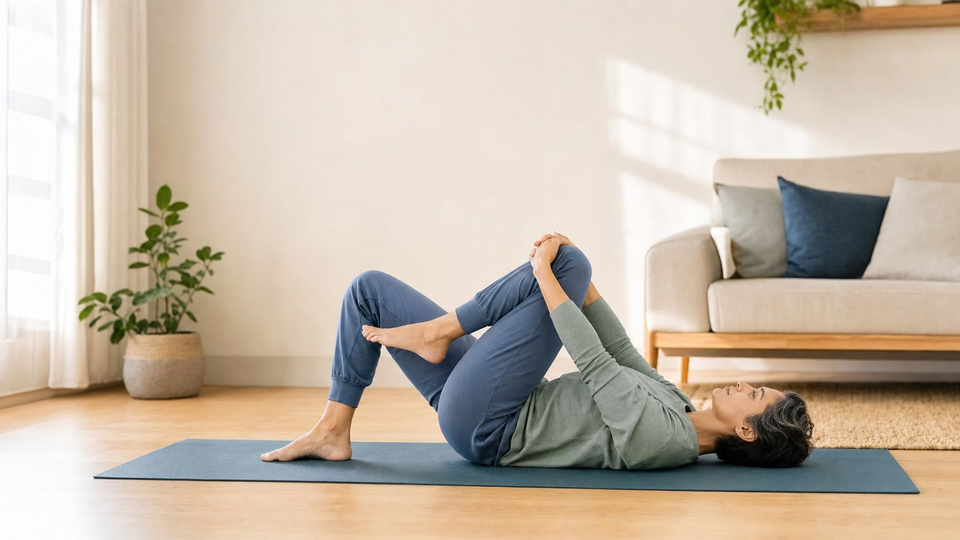
A stretch should feel gentle—not forced or painful.
If your lower back feels stiff after sitting, traveling, gardening, or doing more activity than usual, gentle movement may help. The most useful stretches are usually the ones that feel comfortable, match the direction your body wants to move, and leave you feeling the same or better afterward.
There is no single stretch that works for every kind of back pain. Back pain can come from a simple muscle strain, but it can also involve a joint, disc, nerve, injury, or medical condition. Think of the movements below as options for common, nonspecific lower-back stiffness—not as a diagnosis or a cure.
Before you stretch: a quick safety check
Do not stretch through sharp, electric, burning, or shooting pain. Stop if a movement causes new numbness, tingling, weakness, dizziness, or pain that travels farther down a leg. A gentle pulling sensation is fine; a strong pain response is not.
Seek urgent medical care if back pain comes with:
- New trouble controlling your bladder or bowels
- Numbness around the groin, genitals, or anus
- Weakness, numbness, or tingling in both legs
- Chest pain
- Pain that began after a serious accident
Get prompt medical advice for severe pain that starts suddenly or worsens quickly, fever or feeling generally unwell, unexplained weight loss, pain that is worse at night, or pain that is not improving.
If you are pregnant, recently had surgery, have osteoporosis, cancer, inflammatory arthritis, a known spinal condition, or a recent injury, ask your doctor which movements are appropriate for you.
How to use this routine
Start with two or three movements, not all six. Move slowly, breathe normally, and stay in a comfortable range. For a static stretch, begin with a 10- to 20-second hold and repeat two or three times per side. For a mobility exercise, begin with five slow repetitions.
You should not have to bounce, yank, or force a position. If symptoms are noticeably worse during the movement, immediately afterward, or later that day, reduce the range or skip that exercise.
1. Single knee-to-chest stretch
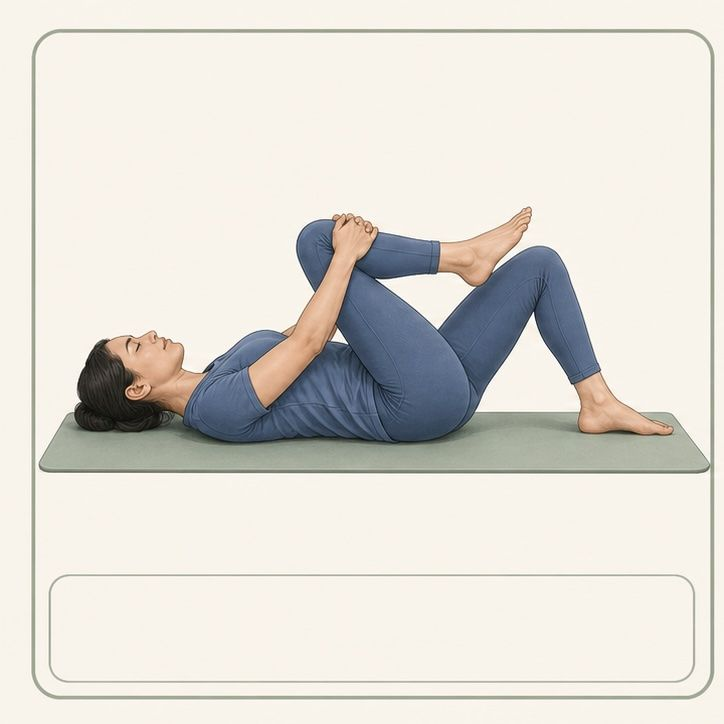
This gentle flexion stretch may feel good when the muscles across the lower back or buttocks feel tight.
- Lie on your back with both knees bent and both feet on the floor.
- Bring one knee toward your chest.
- Hold behind the thigh or over the shin. If your knee is sensitive, holding behind the thigh is usually more comfortable.
- Keep your head and shoulders relaxed. Draw the leg in only until you feel a mild stretch.
- Hold for 10 to 20 seconds, then change sides.
Try: 2 to 3 rounds per side.
Make it easier: Keep the resting foot planted instead of straightening the other leg.
2. Gentle knee rolls
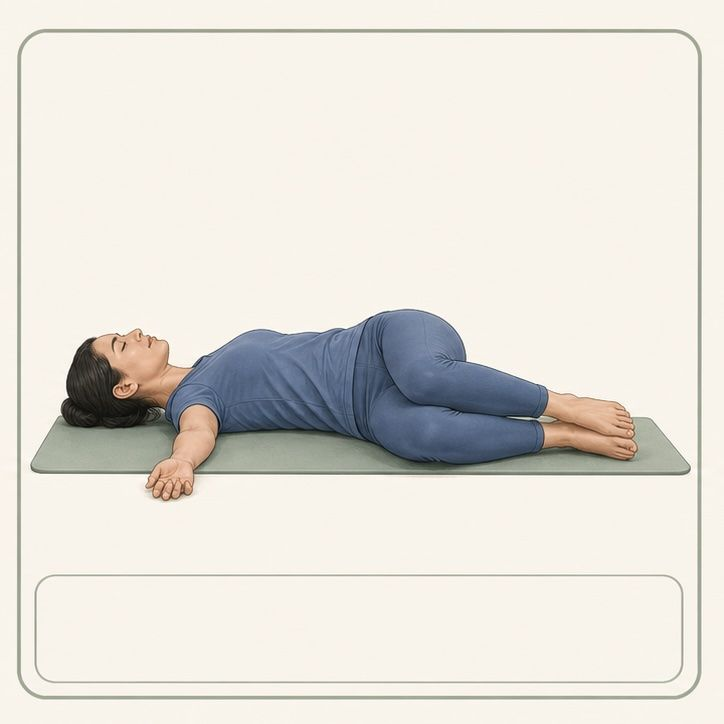
Knee rolls move the lower back through a small amount of rotation and may ease stiffness after prolonged sitting.
- Lie on your back with your knees bent, feet together, and feet flat.
- Rest your arms out to the sides and keep both shoulders down.
- Slowly lower both knees a short distance to one side.
- Pause where the movement still feels easy.
- Return to center and repeat on the other side.
Try: 5 slow repetitions per side, or hold each side for up to 10 seconds.
Make it easier: Use a smaller range or place a pillow under the knees where they stop.
3. Child’s pose—with support if needed
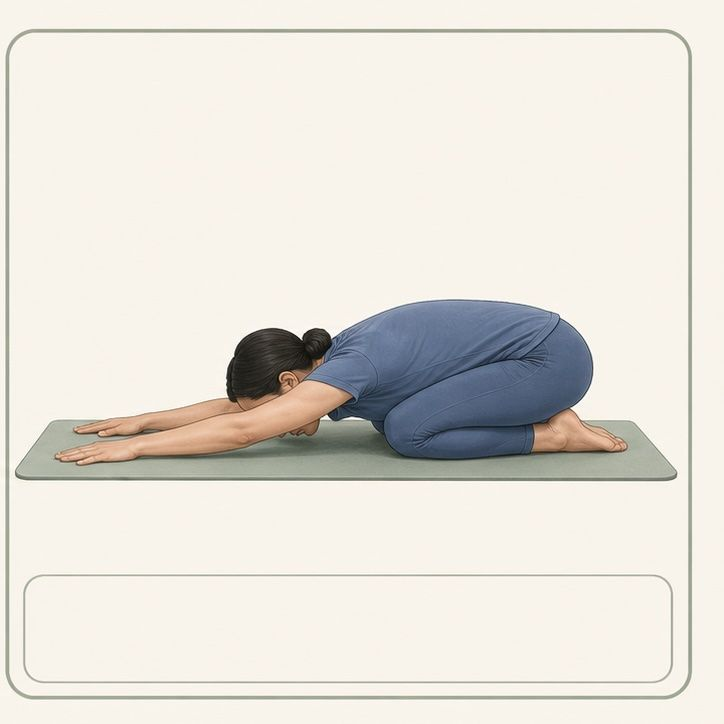
Child’s pose gently rounds the lower back and can stretch the muscles alongside the spine. It is not comfortable for everyone, especially people with knee or hip limitations.
- Start on your hands and knees.
- Slowly move your hips back toward your heels.
- Reach your hands forward while letting your chest lower toward the floor.
- Stop before you feel pinching in the hips, knees, or back.
- Breathe slowly for 10 to 20 seconds, then return to hands and knees.
Try: 2 or 3 comfortable holds.
Make it easier: Place a cushion between your hips and heels, or support your chest on a pillow. Skip this stretch if kneeling is painful.
4. Pelvic tilts
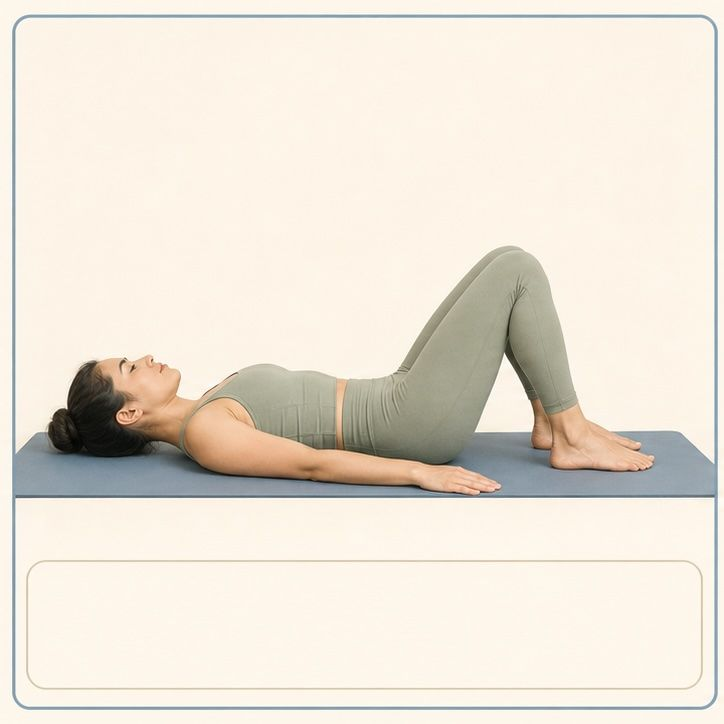
A pelvic tilt is more of a gentle mobility exercise than a stretch. It helps you explore a small, controlled movement of the pelvis and lower back.
- Lie on your back with knees bent and feet flat.
- Let your back rest in a neutral, comfortable position.
- Gently tighten your abdominal muscles and tip your pelvis so your lower back moves slightly toward the floor.
- Hold for one or two breaths without pushing hard.
- Relax back to neutral.
Try: 5 to 10 slow repetitions.
Helpful cue: Imagine tipping a bowl toward yourself. The movement should be small.
5. Cat-cow mobility
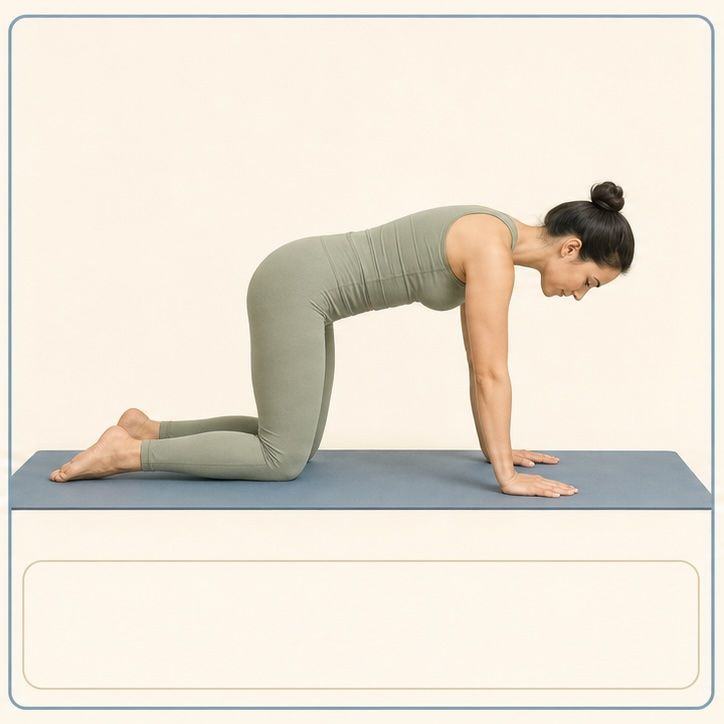
Cat-cow moves the spine through gentle rounding and arching. Use a much smaller range than you may see in a yoga class.
- Begin on hands and knees, with hands under shoulders and knees under hips.
- As you exhale, gently round your back and let your head follow the movement without forcing your chin down.
- As you inhale, return through neutral and allow a mild arch—without dropping deeply into the lower back.
- Continue slowly and smoothly.
Try: 5 to 8 cycles.
Make it easier: Place your hands on a counter and perform a standing version.
6. Half-kneeling hip-flexor stretch
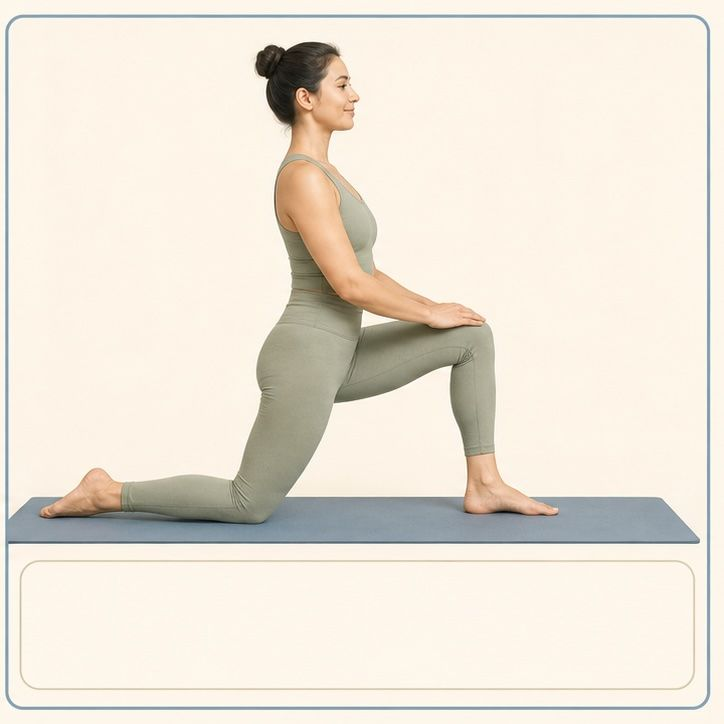
The hip flexors sit at the front of the hips. They can feel tight after long periods of sitting, although “tightness” does not always mean the muscles are shortened. This stretch should be felt at the front of the hip—not as a pinch in the lower back.
- Kneel on one knee with the other foot in front, as though starting a small lunge. Cushion the back knee.
- Keep your torso upright and lightly brace your abdomen.
- Gently tuck your pelvis, as if bringing your belt buckle upward.
- Shift forward only a little until you feel a mild stretch at the front of the kneeling-side hip.
- Hold for 10 to 20 seconds, then change sides.
Try: 2 rounds per side.
Avoid: Arching the lower back to create a bigger movement.
A simple 5-minute back-mobility routine
When you want a short sequence, try:
- Pelvic tilts: 5 slow repetitions
- Knee rolls: 5 per side
- Single knee-to-chest: 15 seconds per side, twice
- Cat-cow: 5 slow cycles
- Easy walk: 2 minutes around the room or outside
The goal is not to stretch as far as possible. It is to help your body feel safe and comfortable moving again.
What if stretching does not help?
Stretching is only one tool. Staying active and avoiding prolonged bed rest is commonly recommended for ordinary back pain. Walking, swimming, yoga, Pilates, and an individualized exercise program may also help, depending on the person.
If the pain keeps returning, lasts more than a few weeks, limits your daily activities, or radiates down a leg, you should be evaluated to assess what is driving it. The best long-term plan may include strength, graded activity, sleep and workload changes, and condition-specific treatment, not just more stretching.
The bottom line
For common lower-back stiffness, gentle knee-to-chest stretches, knee rolls, child’s pose, pelvic tilts, cat-cow, and a supported hip-flexor stretch are reasonable options to test. Choose movements that feel comfortable and leave you no worse afterward. Stop if symptoms spread, intensify, or become neurological—and seek care immediately for bladder or bowel changes, saddle numbness, or weakness or numbness in both legs.
This article provides general educational information and is not a substitute for diagnosis or individualized medical advice. The exercise illustrations were generated for this article and should not replace instruction from a qualified healthcare professional.
Sources